Reviewed By: Rebecca Anderson, FNP-BC
You likely know how dangerous health emergencies like heart attacks and strokes are, but do you know how to spot the signs of one? Understanding the signs and symptoms—especially the discreet or less common ones—can help you detect a health emergency quickly enough to get help and potentially save your life. As we age, our risk for these emergencies increases significantly [1, 2]. Now is the perfect time to learn the warning signs, symptoms, and what action to take if one of these emergencies occurs. Keep reading for more information!
Common Symptoms of Heart Attack and Stroke
Heart attacks and strokes have differing warning signs, so it’s important to keep these symptoms in mind if you experience anything abnormal regarding your health. Symptoms for both can come on quickly and require an immediate call to emergency services, as they are often life-threatening.
To understand the symptoms of a stroke, think of the acronym “F.A.S.T.”: “facial drooping”, “arm weakness”, “speech difficulty”, and “time to call 911” [3]. If one side of your face or one arm feels numb or unable to move, and/or your speech comes out slurred, call 911 immediately. Other possible warning signs include changes in vision, headaches, trouble staying balanced, and confusion [4].
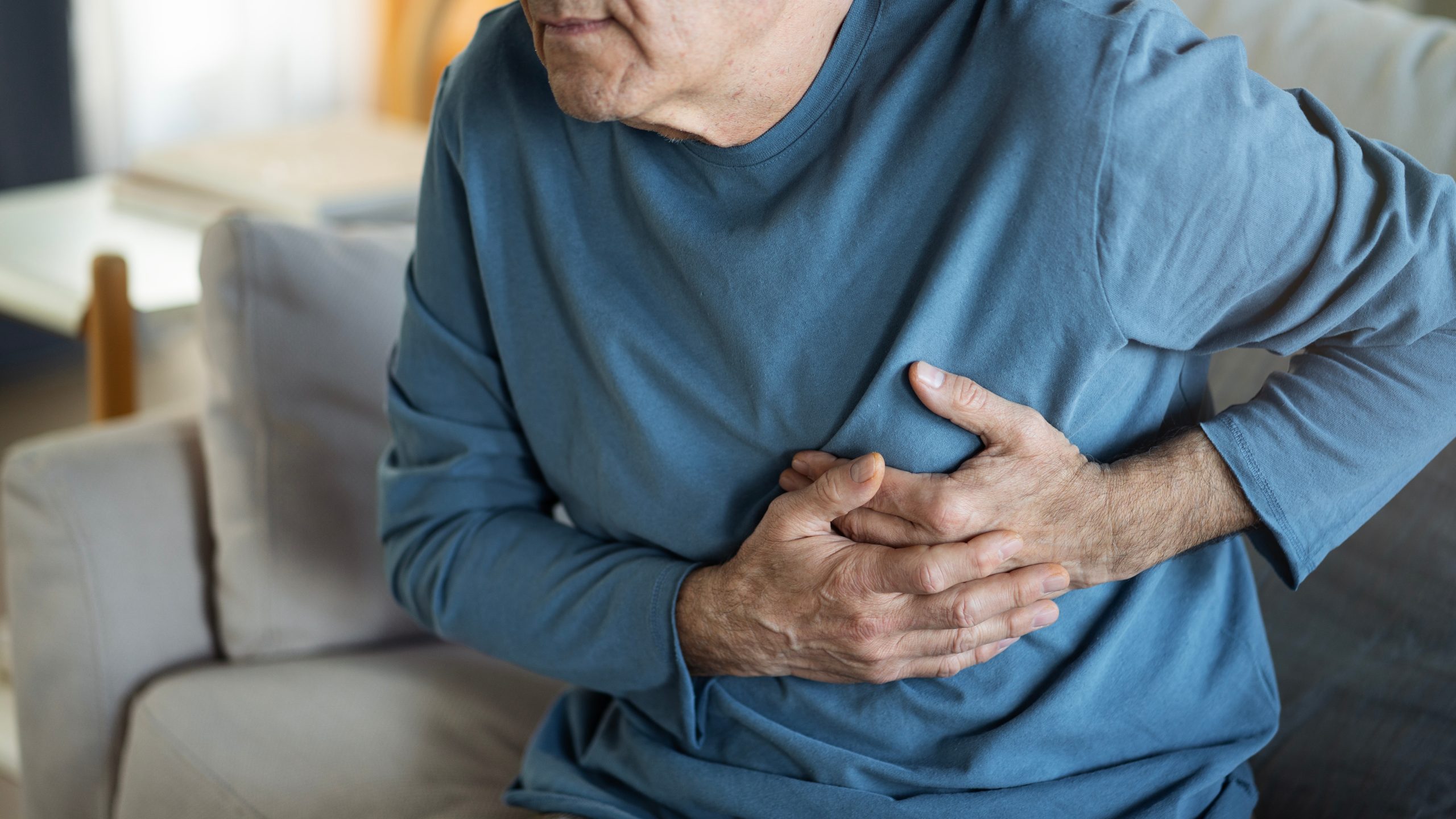
Symptoms of a heart attack include chest pain or pressure, trouble breathing, pain in the jaw, back, or arms, sudden dizziness, and feeling unusually tired [5]. Some symptoms come on suddenly, and the heart attack happens shortly after. However, some symptoms can last for days before the attack happens. Likewise, symptoms can differ in men and women. For example, women are more likely to experience chest pressure or tightness, rather than pain [6]. Women are also significantly more likely to present with clusters of three or more symptoms (such as epigastric discomfort, palpitations, and pain in the jaw, neck, arms, or shoulders) rather than isolated chest pain. If you experience any of these symptoms or have the suspicion that a heart attack is occurring, call 911 immediately for help.
Why Symptoms May Look Different in Seniors
The commonly occurring symptoms of heart attacks and strokes mentioned above also happen in seniors. However, seniors may also experience more subtle or abnormal presentations of these emergencies. Older adults are less likely to experience noticeable chest pain—in fact, they may not experience any chest pain. Instead, they are more likely to experience confusion, dizziness, and weakness [7]. These symptoms should be taken seriously. Although they may seem ordinary and not alarming, they are signs of a heart attack that are just as important as pain.
Stroke symptoms do not differ between seniors and middle-aged adults, for the most part. However, the similarity of symptoms with other comorbid disorders common in seniors can make stroke symptoms harder to recognize in older adults [8]. This is why it is smart to call your doctor or the emergency department for any symptoms of a stroke, even if you are unsure if this is what you are experiencing.
What to Do if You Notice Symptoms
Time is a critical factor when it comes to managing a heart attack or stroke. According to medical professionals, during a stroke, nearly 1.9 million brain cells are lost every minute treatment is delayed [9]. This means that the longer you take to get professional help, the more likely you are to suffer from disability or death.
Similarly, a heart attack that is cared for within the first 2 to 3 hours of occurring is significantly less likely to cause long-term damage or death, compared with one that is untreated for up to 5 to 6 hours [10]. Act fast and stay diligent.
How to Lower Risk Through Prevention
In addition to remaining aware of possible warning signs of a stroke or heart attack, taking precautionary steps to prevent the risk of these emergencies is also vital.
To reduce your risk of having a heart attack or stroke, practice the following [11, 12]:
- Stop smoking cigarettes and reduce alcohol intake.
- Eat a balanced diet full of fruits, vegetables, and whole grains, as well as low in saturated fats, sugars, and sodium.
- Stay organized with medication management and take blood pressure, diabetes, and cholesterol medications as prescribed.
- Exercise regularly and maintain a healthy weight.
- Get enough quality sleep and manage your stress levels.
- Stay up to date with primary care visits and screening appointments.
Quick Action Saves Lives
Your diligence in reducing your risk of having a heart attack or stroke, as well as staying aware of possible warning signs, can make the biggest difference in your life and longevity. If you have any confusion about signs, symptoms, or preventative measures, contact a healthcare professional today. Greater Good Health is here to support you on your healthcare journey in any way you need. Contact us to learn more.
References:
- https://muschealth.org/medical-services/geriatrics-and-aging/healthy-aging/stroke
- https://www.nia.nih.gov/health/heart-health/heart-health-and-aging
- https://www.heart.org/en/about-us/heart-attack-and-stroke-symptoms
- https://www.mayoclinic.org/diseases-conditions/stroke/symptoms-causes/syc-20350113
- https://www.mayoclinic.org/diseases-conditions/heart-attack/symptoms-causes/syc-20373106
- https://www.goredforwomen.org/en/about-heart-disease-in-women/signs-and-symptoms-in-women/symptoms-of-a-heart-attack
- https://www.interiorhealth.ca/stories/what-you-might-not-know-about-seniors-and-heart-attacks
- https://hopebridge.care/stroke-in-seniors-warning-signs-you-shouldnt-ignore/
- https://www.jeffersonhealth.org/your-health/living-well/time-is-brain-why-its-important-to-get-treated-for-stroke-asap
- https://www.uchicagomedicineadventhealth.org/blog/surviving-a-heart-attack-why-care-first-hours-critical
- https://www.heart.org/en/health-topics/heart-attack/life-after-a-heart-attack/lifestyle-changes-for-heart-attack-prevention
- https://www.cdc.gov/stroke/prevention/index.html