Reviewed By: Rebecca Anderson, FNP-BC
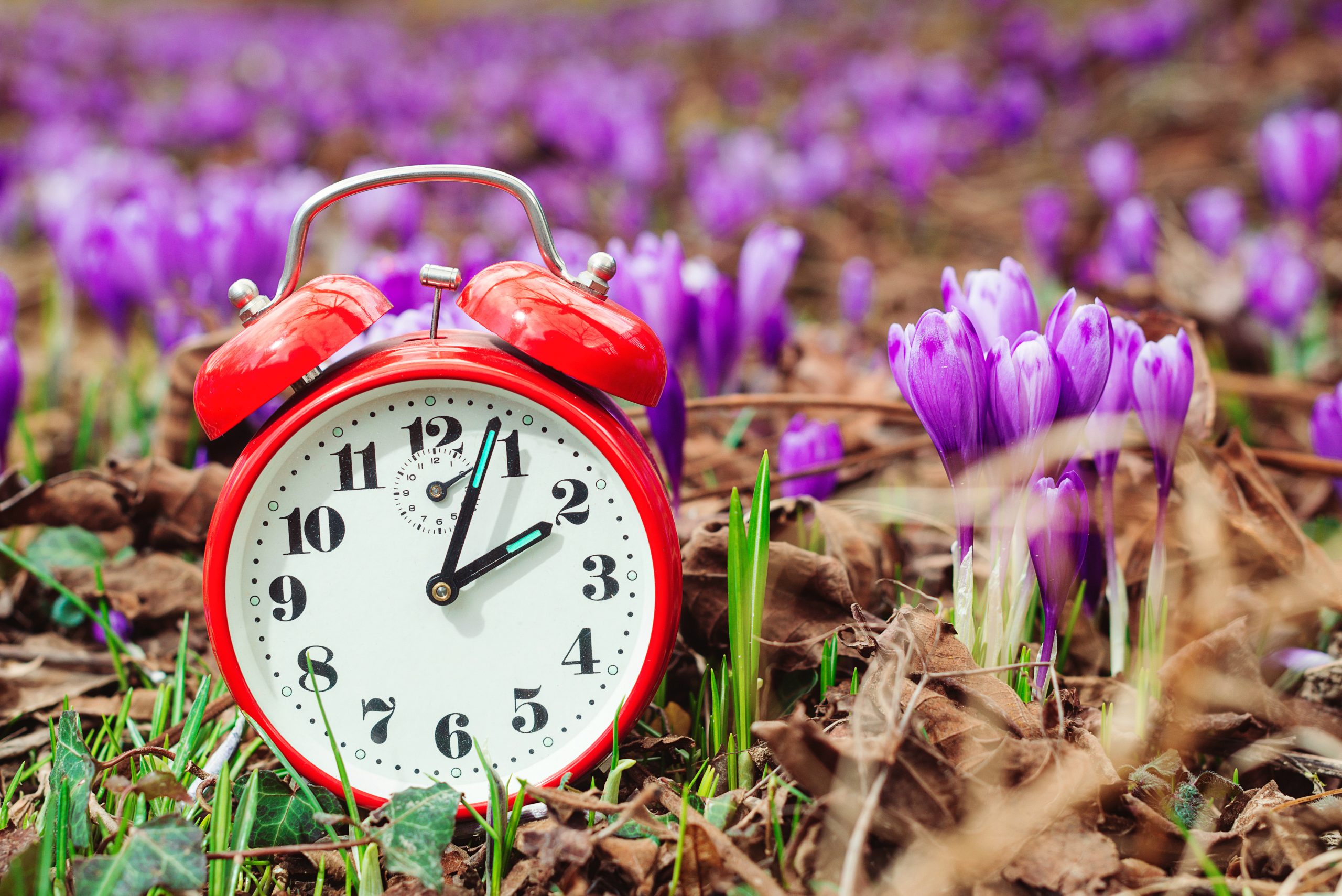
Happy Spring! It’s time for warmer weather, beautiful blooming flowers, and longer days. Many people celebrate the new season, looking forward to more time outdoors and enjoying the sunlight for longer each day. However, for some individuals—seniors, in particular—Spring can be a rather difficult time. This is because seniors are more sensitive to time changes, and “springing forward” with daylight saving time can have a stark impact on seniors’ quality of sleep [1]. To learn more about this impact and how seniors can prevent sleep disturbance during this season, keep reading!
Why Daylight Saving Time Disrupts Sleep
So, why does daylight saving time affect sleep so much? After all, it’s only a 1-hour difference. Although this difference may seem minor, springing forward and losing 1 hour of sleep can have drastic effects—this is why data shows there is an increase in car accidents and hospital admissions for chronic conditions on the day after daylight saving time begins [2]. This is because daylight saving time throws off our circadian rhythm, which is our biological clock that regulates many body functions [3].
Despite popular belief, the circadian rhythm controls more than the sleep cycle. It also manages hormones, digestion, body temperature, and more [4]. The part of your brain that controls your circadian rhythm is called the “suprachiasmatic nucleus,” and it is highly sensitive to light [4]. This is why daylight saving time impacts circadian rhythm, which can lead to a higher likelihood of trouble sleeping, negative mental effects, and other health issues [5]. This is why many health professionals state that people would have better health if we didn’t partake in daylight saving time, including a possible decrease in strokes and obesity [3].
Unfortunately, daylight saving time doesn’t seem to be going away anytime soon. This is why we must take extra measures to ensure our sleep cycles and other body processes don’t feel the brunt of the time difference.
Senior-Friendly Tips for Adjusting to the Time Change
To naturally adjust your body to the time change, first start by gradually shifting your bedtime before daylight savings time hits. This will allow your body’s internal clock to slowly adjust to the time change, instead of shocking it with an earlier wake-up time all at once. To do this, try going to bed earlier by 15-minute increments and waking up earlier by 15-minute increments until you reach your desired schedule. Shifting your bedtime/wake-time more than 15 minutes each day may be difficult for your body to adjust to. However, your body likely won’t notice the 15-minute difference as starkly.
Getting adequate sunlight exposure in the morning can also help you feel more refreshed and awake, and less groggy. This is because natural sunlight makes your body stop producing melatonin, signaling to your brain that it is time to wake up and start the day [6]. To get this extra sunlight, prioritize spending time outside, going on a walk, or even just sitting by a sunny window after you wake up each morning.
Another way to get better quality sleep is by avoiding caffeine and alcohol, especially before bed. Drinking caffeine and alcohol has been linked to trouble falling asleep and staying asleep [7], so avoid these things to help your body adjust to daylight saving time seamlessly. There are plenty of yummy alternatives to caffeine and alcohol, such as decaf tea or mocktails!
Finally, keeping a consistent bedtime routine will make your nights predictable, helping your body ease into sleep comfortably. Some great ways to wind down at night include taking a relaxing bath, reading a book, and meditating. Plan your routine ahead of time and reward yourself for staying consistent!
Signs You May Need More Support
If these tips aren’t working for you, no matter how hard you try, you may need some extra support from a professional. Experiencing insomnia (extreme difficulty falling and staying asleep) and/or daytime fatigue or confusion may be signs of other issues. It is important to be proactive about this and speak to your doctor about these issues. Sleep affects so many aspects of your health, so it is crucial to get support for this as soon as possible! Remember, your doctor is there to help answer any of your questions and guide you when you have concerns. They can help create a care plan for you to mitigate these sleep issues, which may involve different bedtime routines, lifestyle changes, or even medication.
Protecting Your Sleep During Daylight Saving Time
Sleep is certainly not something to neglect. It contributes to your ability to function. Now is the perfect time to help your body adjust to the upcoming daylight saving time, before it takes effect. During this time, prioritize rest, a healthy routine, and speaking to your doctor for additional support.
References:
- https://senecaseniorliving.org/how-seniors-can-sleep-better-during-daylight-saving-time-tips-for-restful-nights-at-seneca-senior-living/
- https://www.ucsf.edu/news/2024/03/427246/how-daylight-saving-impacts-your-sleep-and-what-do-about-it
- https://med.stanford.edu/news/all-news/2025/09/daylight-saving-time.html
- https://my.clevelandclinic.org/health/articles/circadian-rhythm
- https://www.explorationpub.com/Journals/en/Article/10062
- https://health.clevelandclinic.org/how-much-sunshine-you-need-daily