Reviewed By: Rebecca Anderson, FNP-BC
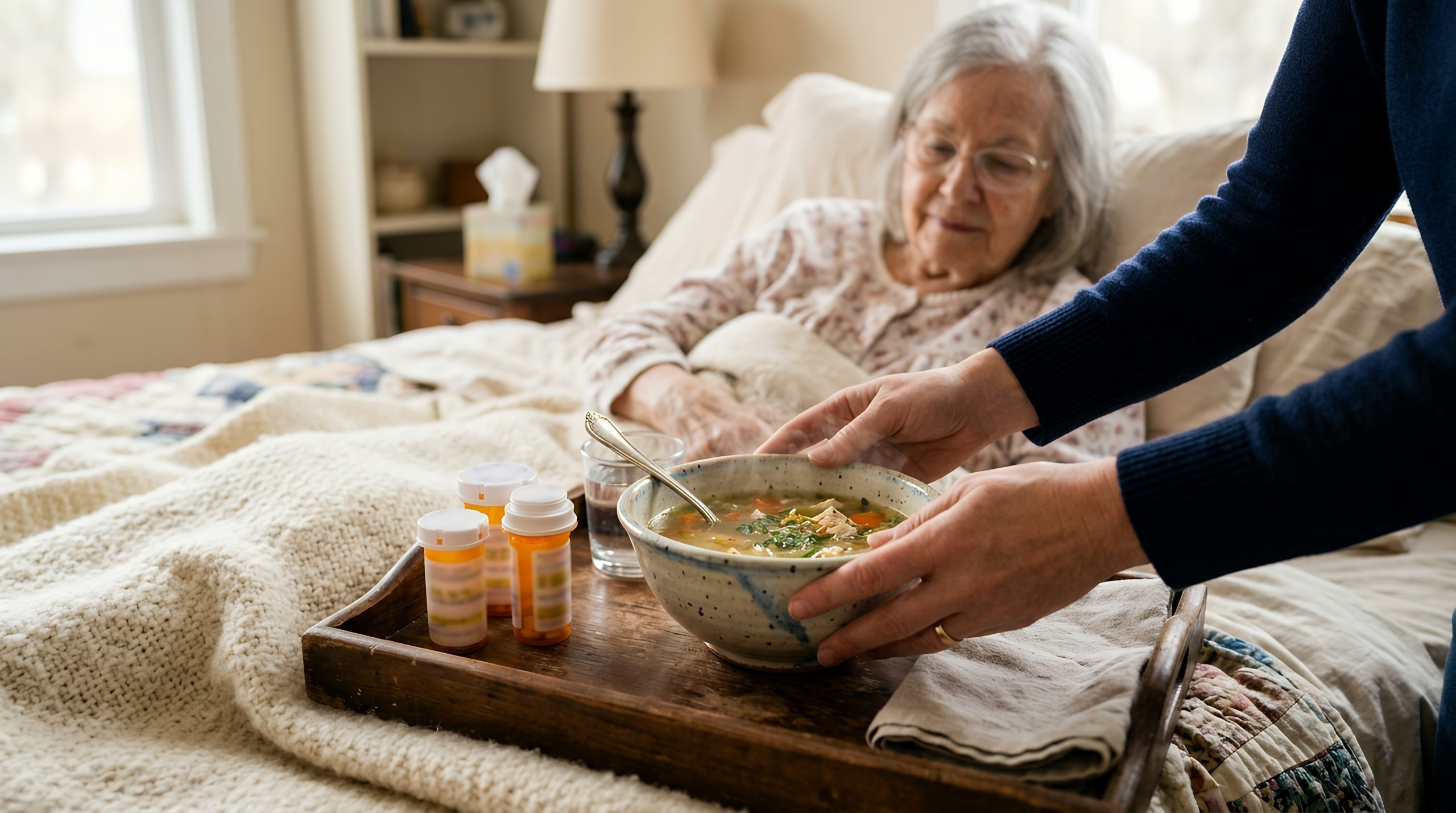
With flu season approaching, caregivers play an especially important role in keeping their loved ones safe from the flu and other illnesses. Caregivers are often the “bridge” between the person they care for and the healthcare system, responsible for managing communication with doctors, medication, and day-to-day tasks. If you are a caregiver, your work does not go unnoticed. We recognize that your role is vital in the health and well-being of your loved one. To help you organize tasks and manage your responsibilities, we have created a flu season checklist to keep handy during this time period. These items are equally important and are in no particular order. Keep reading to learn more!
Make Sure Your Loved One is Vaccinated – and with the Right Vaccine
Ensuring that your loved one has their vaccinations up to date is important so they don’t contract additional conditions or illnesses. This is vital year-round, but especially during the next few months when influenza peaks [1]. Try to get your loved one vaccinated in early fall, ideally before flu activity picks up in your area — it takes about two weeks after the shot for full protection to develop, so waiting until flu is already circulating leaves them exposed during that window.
There are different types of flu shots: high-dose and standard-dose. When most people get flu shots, they get the standard dose. However, high-dose flu vaccines are available for individuals aged 65 and older, containing 3 to 4 times as much flu virus antigen [2]. Speak to your loved one’s doctor about which type might be best for them to receive this year.
Likewise, it may be beneficial to consider other vaccines often prescribed for older adults and to speak to a healthcare provider about them. These vaccines include the pneumonia vaccine [3],
Respiratory Syncytial Virus Infection (RSV) vaccine [4] and COVID booster vaccine [5].
To help coordinate vaccines with your loved one’s doctor, make sure you keep track of what vaccinations they have received and when. Bring this record to their next appointment and ask their doctor about additional vaccinations, boosters, or updates that may be needed to improve or maintain their health.
Set Up Their Environment for a Healthier Fall
Your loved one’s home environment plays an important role in reducing their risk of contracting the flu or other illnesses. Whether you live with them or simply visit them, you can help make small changes in their environment to aid their health. For example, homes with good ventilation and air quality can help reduce the risk of getting airborne illnesses [6]. To improve ventilation and air quality, open windows to let fresh air in and turn on fans and portable air conditioners. Ensure your loved one’s home is cleaned regularly by disinfecting high-touch surfaces and items like countertops, doorknobs, and remote controllers.
If your loved one takes over-the-counter medication for colds, the flu, or seasonal allergies, make sure their medicine cabinet is stocked and that they aren’t running low on medicine. Depending on their level of independence, it may be helpful for you to help administer the medication. At the very least, make sure they understand how and when to take the medication, as well as how much to take. Also, ensure that they know how to open the medication packaging. Contact their doctor if you are unsure whether or not they should be taking a particular over-the-counter medication.
Lastly, helping your loved one reduce unnecessary exposure to germs goes a long way for flu prevention. Crowds and large gatherings are places in which influenza spreads easily. You can assist your loved one in staying safe by running errands for them, encouraging them to wear a mask while in crowds, and monitoring symptoms that may arise afterwards.
Build a Daily Routine That Supports Their Immune System
Encouraging your loved one to have a wellness-focused routine—and even practicing it with them—is a great way to foster healthy habits and support their immune system. Eating a nutritious and balanced diet, getting at least 7 hours of quality sleep, and practicing physical activity all help to strengthen the immune system and fight against illnesses [7, 8, 9]. You can assist them in practicing these habits by grocery shopping for healthy ingredients, cooking them nutritious meals, making sure they get ready for bed at an appropriate time, and creating an exercise routine for them (in collaboration with their doctor).
Additionally, managing chronic conditions by adhering to their doctor-recommended treatment plan is vital for maintaining their health. You can help with this by administering medication, monitoring symptoms and progress, and asking their doctor questions.
Know the Warning Signs – and Act Fast
Understanding symptoms and taking fast action when they present is an integral part of taking care of your loved one’s health. Common early symptoms of the flu include sudden tiredness, body aches or chills, cough, sore throat, fever, and gastrointestinal issues [10]. If your loved one suddenly starts experiencing these symptoms, these should be red flags that they may have contracted the flu. If they have the flu, you must act fast. If your loved one has the flu, don’t wait to see their doctor — because they’re at higher risk for flu complications, prompt treatment matters. Ask their doctor about antiviral medication right away, since these are most effective when started within the first 48 hours of symptoms [11]. Seek emergency help if your loved one experiences high fever, trouble breathing, chest pain, dizziness, or confusion [12].
Keep Their Care Organized and Accessible
If your loved one gets the flu or another illness, keeping everything organized will help manage their treatment and make everything a bit simpler. You’ll likely be seeing the doctor with them often, so have an updated medication list handy for all visits. Likewise, you should know the names and contact information of all their providers, including the after-hours contact process information in case of emergencies. When you call specialists, be ready to provide their symptoms, information about their other conditions, and health insurance information. Finally, a big part of caregiving is helping advocate for your loved one during a visit. This may mean voicing both your and their concerns to doctors and asking important questions. Never hesitate to share your questions and concerns with your health care team—they are there to support you in every way possible.
Your Health Matters Too – Don’t Forget Caregiver Burnout
It’s common for caregivers to neglect their own health due to the compounding responsibilities on their plates. This flu season and beyond, make sure to take care of your health as well, especially when monitoring stress levels and burnout. Practice what you preach to your loved one by eating healthy, exercising, getting quality sleep, and managing your stress. Not only do these actions set a positive example, but they ensure your health isn’t negatively affected by the time and energy spent on caregiving. When you are feeling your best, you provide the best quality care. Remember that as you navigate caring for your loved one. For more information and support, reach out to Greater Good Health today. You’ve got this!
References:
- https://www.cdc.gov/flu/about/season.html
- https://www.mayoclinic.org/diseases-conditions/flu/expert-answers/fluzone/faq-20058032
- https://www.yalemedicine.org/news/should-i-get-the-pneumococcal-vaccine-5-things-to-know
- https://www.cdc.gov/rsv/vaccines/adults.html
- https://www.cdc.gov/covid/vaccines/stay-up-to-date.html
- https://www.epa.gov/indoor-air-quality-iaq/ventilation-and-respiratory-viruses
- https://pmc.ncbi.nlm.nih.gov/articles/PMC9772031/
- https://www.yalemedicine.org/news/how-sleep-affects-immunity
- https://www.mayoclinic.org/healthy-lifestyle/fitness/in-depth/exercise-and-chronic-disease/art-20046049
- https://www.healthline.com/health/cold-flu/early-flu-symptoms#fever
- https://www.cdc.gov/flu/hcp/antivirals/summary-clinicians.html
- https://my.clevelandclinic.org/services/cold-flu-covid-19-care