Reviewed By: Rebecca Anderson, FNP-BC
When life gets busy, it’s normal to feel tempted to pick up fast food on the way home from work or opt for a quick, microwave meal instead of cooking. While these options are definitely simpler than meal prepping and trying new recipes, they often aren’t beneficial for your health. This summer, we encourage you to prioritize healthy, nutritious meals that aid whole-body wellness. A great way to accomplish this is by “eating the rainbow.” Keep reading to learn why this is important and for some tips and tricks!
Why Color on Your Plate Matters
Luckily, summer is when colorful fruits and vegetables are ripe and in season, such as melons, berries, tomatoes, and cucumbers [1]. Eating crisp and juicy fruits and vegetables can help keep you cool and hydrated [2], making them the perfect additions to your summer diet.
“Eating the rainbow” may sound abstract, but it’s actually quite simple. You don’t need to include foods of every color of the rainbow on each of your plates. “Eating the rainbow” isn’t a strict rule—it’s more of a suggestion to introduce more colorful foods into your diet. For example, instead of your usual plain yogurt or cereal bowl for breakfast, you can add fresh berries for color and health benefits.
What Different Food Colors Support
All foods have different health benefits. However, foods of certain color groups often have specific benefits [3]. For example:
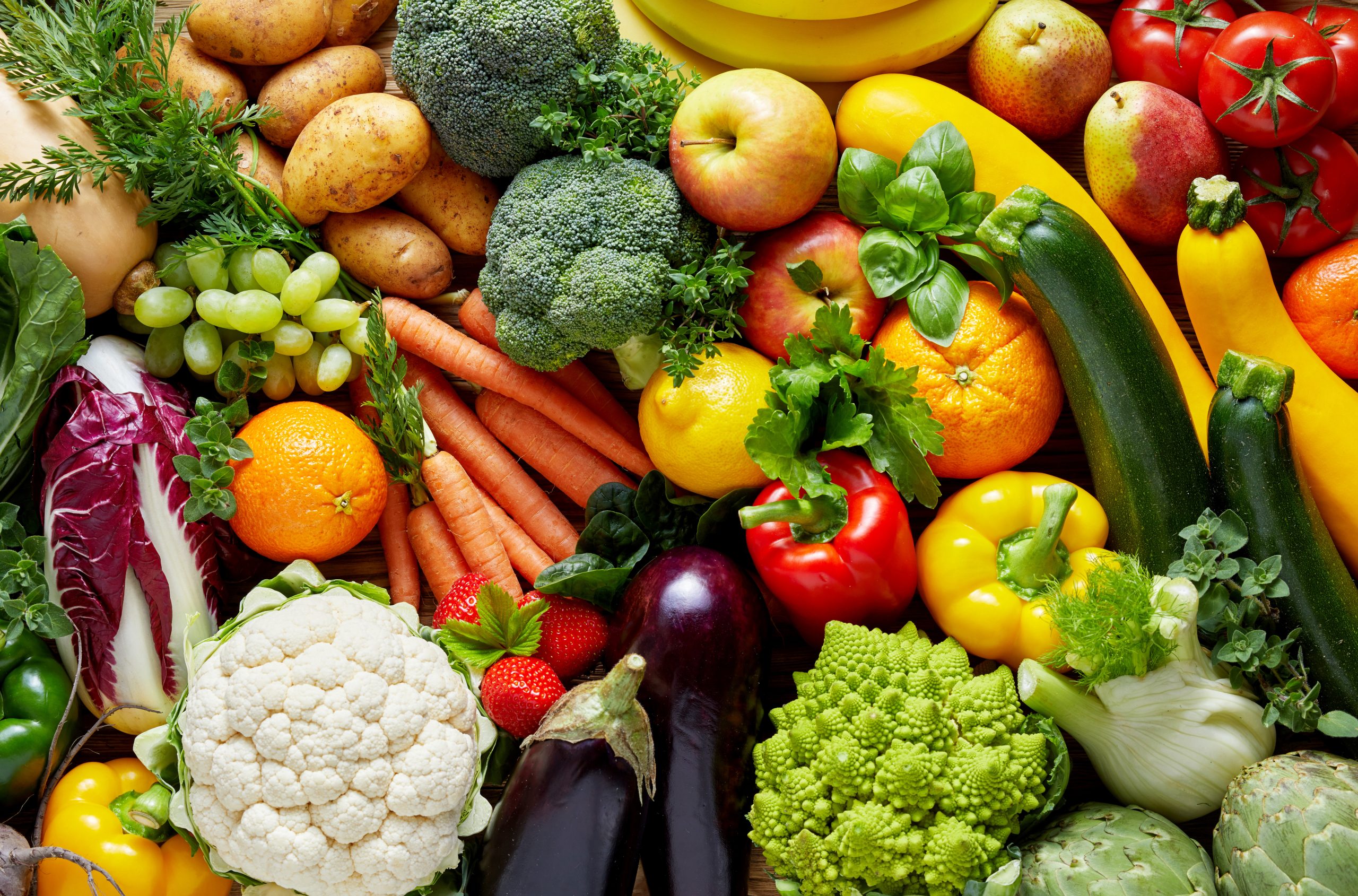
- Red foods, such as strawberries, tomatoes, watermelons, and red peppers, contain carotenoid lycopene, which reduces the risk of prostate cancer, heart disease, and lung disease [3].
- Orange and yellow foods, such as bananas, carrots, pineapples, and corn, contain beta-cryptothanxin, which helps fight heart disease [3].
- Green foods, such as spinach, avocados, herbs, and kiwis, contain sulforaphane, isothiocyanates, and indoles, which are cancer-fighting [3].
- Blue and purple foods, such as blueberries, grapes, eggplants, and purple cabbage, have antioxidants that can help prevent blood clots [3].
- White and brown foods, such as cauliflower, garlic, onions, and mushrooms, contain anti-tumor properties that might reduce the risk of cancer [3].
Easy Ways to Eat the Rainbow Without Overthinking It
Eating the rainbow doesn’t have to feel like a chore. Instead, look at it as a fun way to add vibrancy and nuance to your meals. If you’re interested in eating the rainbow this summer but don’t know where to start, here are some tips for making things as simple as possible:
- Add one new color per meal. Don’t worry about your plate looking like a full rainbow (unless you’d like to take this challenge). Instead, take things one step at a time. Each meal, try adding one new color to your plate. For example, add red peppers to your pasta, peas to your rice, or peaches to your salad.
- Mix colors into familiar foods. You don’t have to have a full plate of just fruits and vegetables to eat the rainbow. Keep eating the foods you usually eat, but add some new colorful foods into the mix.
- Shop seasonally for a variety of foods. Look up what foods are in season before going to the grocery store, and add a few of these items to your shopping list. Knowing what foods are in season ensures that they will be ripe and delicious when it’s time to add them to your plate.
Summer Friendly Rainbow Meal Ideas
If you’re looking for inspiration, you’ve come to the right place. We have plenty of meal ideas that can help you add rainbow foods to your plate. Check these out:
- Colorful breakfasts:
-
-
- Greek yogurt bowl with granola, strawberries, and blueberries
- Oatmeal with cinnamon, apples, and peanut butter
- Avocado toast with pickled onions and a sunny-side-up egg
-
- Simple lunches:
-
-
- Sliced turkey, tomatoes, red onions, and arugula on whole wheat toast
- Pasta salad with cucumbers, olives, and broccoli
- Spinach salad with grilled chicken, red peppers, and corn
-
- Easy dinners and snacks:
-
- One-pan sweet potato and zucchini roast with grilled chicken on the side
- Spaghetti squash with ground turkey, onions, and peppers
- Frozen green and red grapes
- Carrots and hummus
Making Healthy Eating Feel Fun (Not Restrictive)
Eating the rainbow doesn’t mean cutting out all your favorite foods and snacks. You can eat the rainbow even while indulging in some “unhealthy” meals. For example, having ice cream after dinner isn’t necessarily nutritious, but adding peaches or berries to it adds color and nutrients. Eating the rainbow shouldn’t feel like a restrictive diet—it should feel like adding simple, healthy choices into your existing favorites.
Small Colorful Choices Add Up
Changing your diet completely can feel daunting and strict, which is why eating the rainbow is all about small changes and non-restrictive eating. Making small choices to add at least one new color to your plate each meal not only brightens up your plate, but these small choices can add up to create larger health benefits. Take things one step at a time. You’ve got this! For support and additional tips on healthy eating, reach out to Greater Good Health today.
References: