Reviewed By: Rebecca Anderson, FNP-BC
As summer rolls around and you’re having busy days at the beach, car rides with the windows down, and strolls through your neighborhood, it’s easy to neglect an important part of your day: your skincare routine. Taking care of your skin as a senior isn’t about anti-aging or appearance—it’s about maintaining your health. Keep reading to learn why it’s particularly important to create a regular skin care routine in the summer, common skin issues seniors experience, and everyday sun protection skincare tips!
Why Summer Can Be Hard on Aging Skin
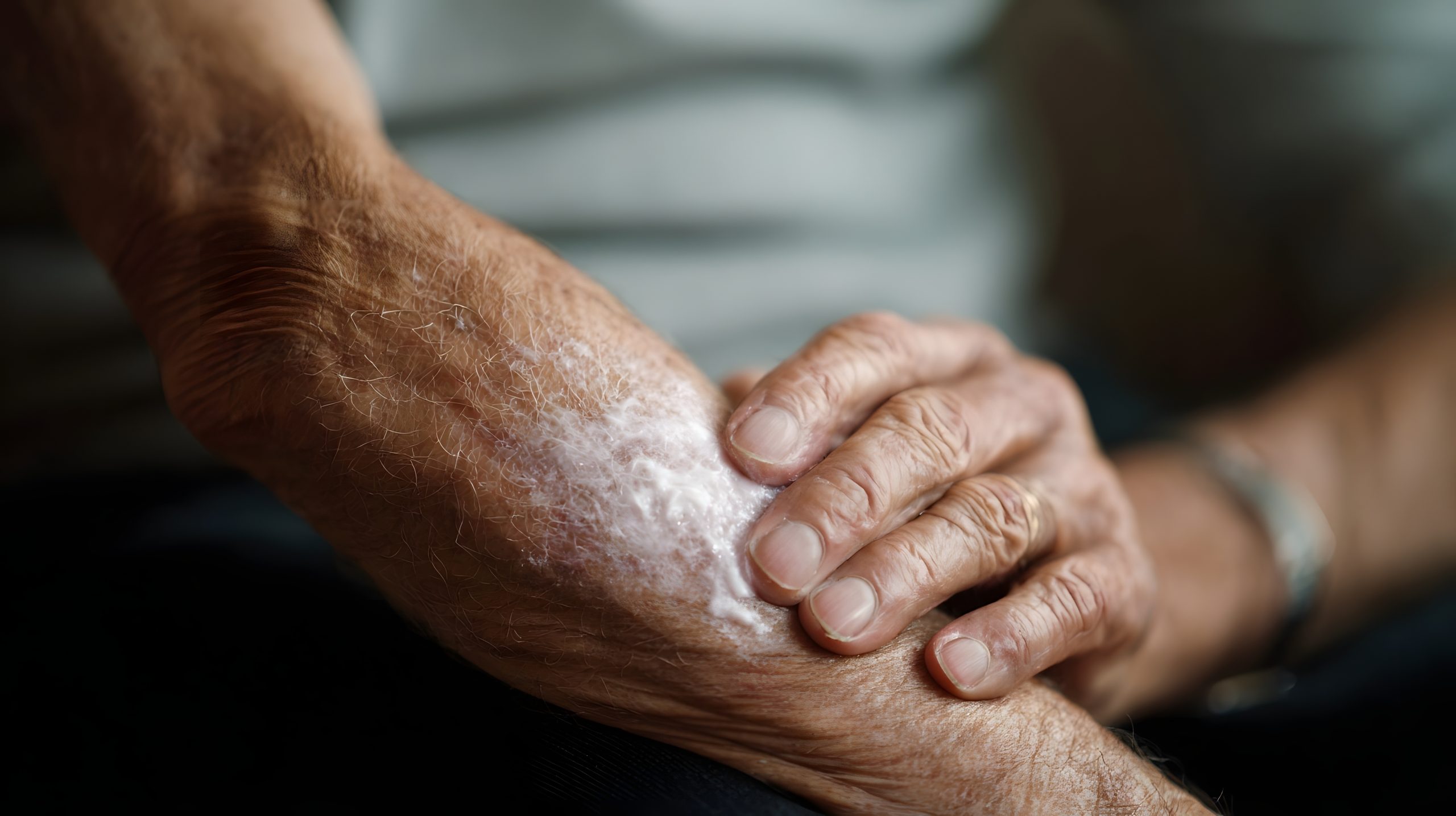
As we age, our skin changes. This is because the outer layer of the skin, or the “epidermis,” thins when we get older [1]. That’s why aging skin looks thinner, paler, and even translucent in some areas. You may also notice hyperpigmented spots on aging skin, or “lentigos,” which are usually caused by sun damage [1]. Aging skin may also feel drier because sebaceous glands produce less oil as people get older [1].
Because the skin becomes thinner with age, it is often more fragile and sensitive. Older adults may also have a reduced ability to regulate body temperature and can be more vulnerable to the effects of heat, sunlight, and humidity. As a result, they may be more prone to skin-related concerns such as dryness, irritation, sun damage, and heat rash. Prioritizing proper skin care can help protect aging skin and support overall skin health. [2]
How Aging Skin Responds Differently to Heat & Sun
Skin becoming thinner and producing less oil are not the only differences caused by aging. Aging skin also heals wounds more slowly than younger skin and often leads to complications, like infections or scarring [3].
Skin is sensitive to prolonged sun exposure [4]. This is why all individuals, no matter how old they are, should wear sunscreen to protect their skin from the sun’s ultraviolet (UV) rays. However, seniors are at increased risk of skin cancer and sun damage due to lifelong UV exposure, unless they have been very diligent about applying sunscreen throughout life. This, combined with thinning skin and even certain medications that can make skin more sensitive [5], puts seniors in danger of health issues related to sun damage and heat.
Common Summer Skin Issues Seniors Experience
Seniors face a variety of skin issues in the summer, the most common being:
- Sunburn and sun damage: Damage from the sun can have long-lasting effects, raising the risk of skin cancer [6].
- Heat rash: The heat can aggravate the skin, especially if you have pre-existing conditions [6].
- Dry, itchy skin: When the air is hot and humid, it can make your skin dry, itchy, and irritated [7].
- Fungal infections: The risk of contracting fungal infections increases in individuals who spend a lot of time outdoors [8].
- Slow-healing insect bites: It’s common to get bug bites during the summer, since most people spend more time outside. Bug bites can lead to irritated, itchy, and swollen skin [9]. Knowing that it takes longer for older adults’ skin to heal from wounds makes this a particular concern for seniors in the summer.
Sun Protection Is Important
If you take away one piece of advice from this blog post, let it be this: protect your skin from the sun. Unprotected, repeated exposure to the sun can lead to a handful of negative health outcomes, like skin cancer, premature aging, skin growths, and decreased ability to fight off infections [10].
To combat these risks, use these simple, daily sun protection habits:
- Apply (and reapply) sunscreen. Experts recommend that everyone wear sunscreen of SPF 30 or higher, which blocks 97% of the sun’s ultraviolet rays [11]. Since your skin sweats throughout the day, make sure to reapply sunscreen every few hours!
- Wear projective clothing and accessories, like hats and sunglasses. If possible, opt for tee shirts rather than tank tops, to protect your shoulders.
- Spend more time in the shade. Choosing a shady spot under an umbrella reduces your exposure to the sun and keeps you nice and cool in the summer heat!
Medications That Affect Skin in Summer
Some common medications that seniors may be prescribed can affect their skin in the summer. For example, certain diabetes medications can lead to sun sensitivity [12] and blood thinners can make you bruise more easily [13]. Ask your doctor if any of the medications they prescribe you may affect your skin this summer, especially if the medications fall into these common categories: blood pressure medications, diuretics (commonly called “water pills”), and/or antibiotics [12].
Everyday Skin Care Tips for Seniors
Your skin care routines don’t have to feel like a chore. In fact, it can be a relaxing time for self-care. We recommend that seniors practice a simple yet effective skin care routine daily to take care of their skin health—especially in the summer.
Start by using a gentle cleanser to wash your face. Avoid cleansers containing harsh chemicals or fragrances, as these may cause rashes [14]. Next, moisturize your skin with a fragrance-free facial lotion. Apply sunscreen to any parts of your body exposed to the sun. Don’t forget to reapply sunscreen throughout the day, especially if you are sweating.
Additionally, taking care of your feet is important for preventing fungus and infections in the summer. To prevent this, wash your feet daily, clip your toenails, change your socks daily, and examine your feet for any sores or swelling [15].
How Primary Care Supports Long-Term Skin Health
You are never alone when it comes to healthcare. If you have any questions or concerns about your skin, check in with your primary care physician or a dermatologist. These professionals are trained to help you manage skin conditions and answer any questions you may have. In addition to leaning on healthcare providers for support, do your part in maintaining your skin health by incorporating skincare into your daily routine and monitoring your skin over time. For more support with skin health in the summer, reach out to Greater Good Health today.
References:
-
- https://medlineplus.gov/ency/article/004014.htm
- https://www.nia.nih.gov/health/safety/hot-weather-safety-older-adults
- https://pmc.ncbi.nlm.nih.gov/articles/PMC9784880/
- https://my.clevelandclinic.org/health/diseases/5240-sun-damage-protecting-yourself
- https://www.nia.nih.gov/health/skin-care/skin-care-and-aging
- https://www.hopkinsmedicine.org/health/wellness-and-prevention/common-summer-skin-conditions
- https://www.aad.org/public/everyday-care/skin-care-secrets/routine/prevent-summer-skin-problems
- https://www.cdc.gov/sporotrichosis/about/index.html
- https://my.clevelandclinic.org/health/diseases/bug-bites
- https://www.epa.gov/sunsafety/health-effects-uv-radiation
- https://www.aarp.org/health/healthy-living/safe-sunscreen/
- https://www.goodrx.com/health-topic/dermatology/avoid-the-sun-if-you-take-these-drugs?srsltid=AfmBOoqdJVIcB6wE8RvS3mPZT3wBDlAJcufpc4u5JyZxDehTeE9ljRDK
- https://www.goodrx.com/drugs/side-effects/easy-bruising-for-no-reason-medication-side-effect?srsltid=AfmBOoqVdwKm2ZgywkLTfsWiZXBW-2x8V6AfHZ7jfsIXg80Pw0zEhxJq
- https://www.healthline.com/health/beauty-skin-care/ingredients-to-avoid-for-stress-free-skin-care
- https://www.cdc.gov/hygiene/about/foot-hygiene.html